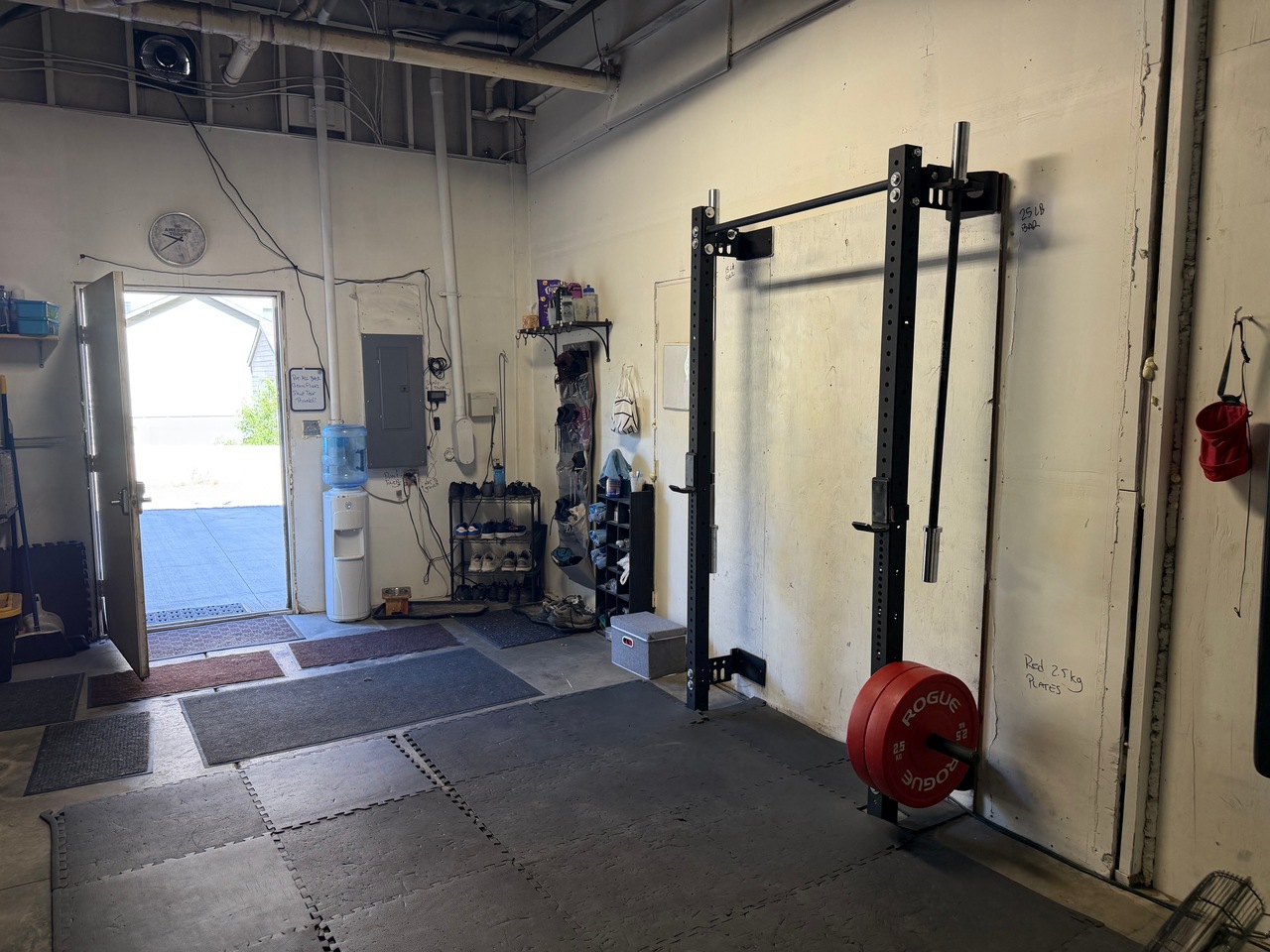
The training floor at No Parking fitness studio

Effective July 19, 2026

Privacy Policy

No Parking is a small gym, and this site is a small piece of software that exists to help members book open-gym hours and record their training. We ask for the least we can get away with: your name, your email address, and whatever training results you choose to log. That's it.

We don't run analytics, advertising, or tracking of any kind, and we don't sell, rent, or share your information with anyone for marketing. This page explains exactly what we hold, why we hold it, and how to get rid of it.

No tracking

No analytics, no advertising pixels, no third-party trackers. Nobody is watching how you use this site.

Never sold

We have never sold or shared member information, and we don't intend to start. There is no data business here.

Yours to delete

Ask us to delete your account and we'll remove it, along with your bookings and training history.

What we store

Everything on file

Your account

Name and email
So we know who reserved which hour and where to send booking reminders and password resets.
Password
Stored only as a one-way hash. We cannot read it, and neither can anyone who gets hold of the database.
Your bookings
The date and hour of each open-gym slot you reserve or cancel, so the grid can hold your spot.
Training results
Workout scores and personal records — but only the ones you choose to record. Logging is entirely optional.
Sign-in sessions
While you're signed in we keep the IP address and browser of that session so you can spot and end a login that isn't yours.
Push notifications
If you install the mobile app and allow notifications, we store the device token needed to send them. Turn them off and it goes away.

Who can see it

Your account details and booking history are visible to you and to the gym's owner, who needs them to run the schedule. No one else has access.

Workout results are the one thing that isn't private by default: when you post a score for a workout, it appears on that workout's scoreboard alongside the other members who trained that day. That's the point of a scoreboard — but it means the choice to log a result is the choice to show it. Personal records are yours alone and are never shown to other members.

The contact form

Messages sent through the contact page aren't saved to the site at all — they're emailed straight to the owner and live only in that inbox.

Cookies

We set one cookie, and only after you sign in: a signed identifier that keeps you signed in between visits. It carries no personal information and is not used to track you anywhere. There are no advertising or analytics cookies on this site, which is why you'll never see a cookie banner here.

Who we rely on

Running the site means a couple of outside services touch your information in passing. They act on our instructions and may not use it for their own purposes:

  • Amazon Web Services delivers our email — booking reminders, password resets, and confirmations.
  • Google Firebase delivers push notifications to the mobile app, if you've enabled them.
  • Our hosting provider runs the server and holds the database.

Beyond legal obligation, we will not hand your information to anyone else.

How long we keep it

As long as you have an account, because your training history isn't much use to you otherwise. A sign-in session sticks around until you sign out, which is what keeps you from having to log in every visit.

Getting a copy, or getting out

Ask us and we'll send you everything we hold about you, correct anything that's wrong, or delete your account outright. Deleting removes your profile, your bookings, and your recorded results. We'll take care of it promptly — there's no form to fill out and nobody will try to talk you out of it.

Children

Accounts are for adults. We don't knowingly create accounts for children under 13, and if we learn we have, we'll delete it. Younger athletes train under a parent or guardian's account and membership.

Changes to this policy

If the app starts collecting something new, this page changes first and the effective date at the top moves with it. If the change is a significant one, we'll email members rather than quietly updating the page.